


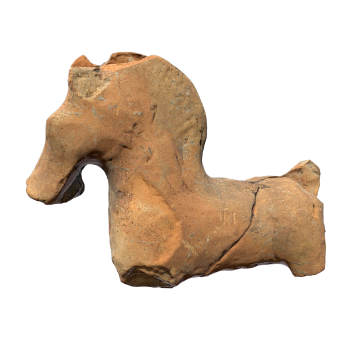
Ancient clay horse statue
The style and material of this horse statue indicate that it is likely to be from the archaic period of ancient Greece, about 600 BC to 480 BC. Pottery horse figurines were very popular at the time and were found in a large number of tombs and temple sites in areas such as Bolivia. In ancient Greek culture, the horse was a symbol of wealth and status. These small statues of pottery horses are often used as sacrificial offerings or funerary objects and placed in tombs to symbolize the social status of the deceased. The statue is made by hand-kneading and molding technology, and its shape is abstract and simple, highlighting the basic characteristics of the horse, revealing a naive and simple aesthetic feeling.
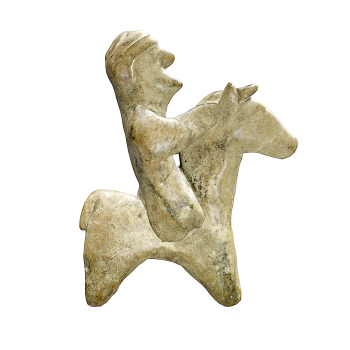
Pottery statue of horse and rider in ancient Cyprus
This is an ancient Cypriot pottery statue of a horse and rider. This kind of sculpture is usually made in the archaic period of Cyprus, between 700 BC and 450 BC. The statue is handcrafted from terracotta, usually unglazed, and presents a natural light brown or off-white color. These small figurines and animal sculptures were widely used in ancient Cyprus as tomb offerings or temple offerings. At the time, horses were a symbol of status and wealth. The use of statues of horses and riders as funerary objects may symbolize the prominent social status of the deceased or their devotion to the gods.
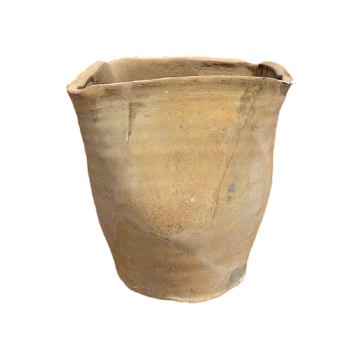
Ancient pottery furnace
This pottery is probably an ancient pottery jar, similar to the painted pottery jar of the Yangshao culture in China. Such pots are usually made of terracotta clay and are used for storage, cooking or ceremonial purposes. Such large containers are often used as water storage, food containers, and may also be part of the urn.
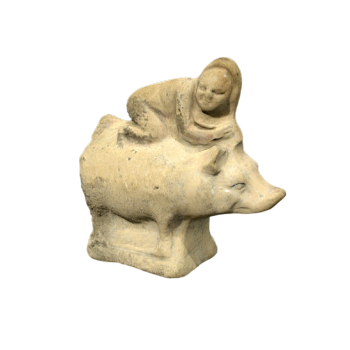
Ancient Greek clay sculpture "child riding a pig"
The statue dates back to the Hellenistic period (3rd to 1st century BC) and may have come from southern Greece or southern Italy. In ancient Greek culture, pigs or wild boars were considered the patron saint of young children and had the function of warding off evil spirits. This image may represent Eros riding on a wild boar, or depict a carefree child.

Sicilian Vase
It is a traditional ceramic artwork from Sicily, Italy, known for its unique cultural characteristics and style. These vases are usually handmade from local clay, carefully shaped, painted, and fired. The design of Sicilian vases often combines classical elements with local characteristics, with common patterns including geometric shapes, natural landscapes, mythological stories, and historical figures. Among them, "giara" is a special large Sicilian vase that has been used since ancient times to hold liquids. In addition, Caltagirone in Sicily is known for producing ceramics with artistic charm, whose works evoke memories of Sicilian land and fire

Roman vase
They are common ceramic containers in ancient Roman civilization, not only daily necessities, but also symbols of art and culture. These vases are usually made of clay and fired at high temperatures, possessing strong and durable characteristics. The design of Roman vases is diverse, ranging from simple practical shapes to complex decorative shapes, reflecting the aesthetic taste and craftsmanship level of Roman society. Decorative patterns may include mythological scenes, historical events, geometric shapes, or plant patterns, which are not only aesthetically pleasing but also convey the religious beliefs and social values of the time. Some Roman vases are used to store liquids, while others are used for decoration or as burial objects at funerals.

Greek Vase
Greek vases are a type of ceramic container in ancient Greek civilization, known for their exquisite decoration and historical value. These vases are usually made of clay and have black or red patterns painted on the surface, reflecting the life scenes, mythological stories, and religious rituals of ancient Greeks. The design of Greek vases is diverse, including double ear vases, water bottles, oil tanks, etc., each with its specific purpose. They are not only daily necessities, but also carriers of art and cultural heritage. The exquisite painting and carving techniques on Greek vases showcase the superb skills of ancient Greek artists. These vases are still important resources for studying ancient Greek culture and art to this day.

African clay jar
It is a clay jar from early 20th century West Africa collected by the Cleveland Museum of Art. This pottery jar is made of red clay material, with a diameter of 35.7 centimeters (14 1/16 inches) and an overall height of 36.9 centimeters (14 1/2 inches). It showcases the artistic characteristics of the Nupe style, crafted by unknown potters. This work is not only a practical item, but also embodies the aesthetics and techniques of traditional African pottery. The Cleveland Museum of Art purchased this item through the John L. Severance Fund, with the serial number 1995.210.

Nordic Cupid Little Angel Pottery Ornament

Clay Vase Retro Homestay Flower Ornaments Old Ornaments

Popular Models


Honey Badger (3D animated model)
194 View

Guinea fowl (3D animated model)
165 View

Wild Goose (3D animated model)
187 View

Red Fox (3D animated model)
155 View
Random Model

sulfur cockatoo specimen
762 View

New Holland T7 Tractor
440 View

Nike Shoes (Blazer Mid '77 Jumbo)
481 View

Japanese Cod Specimen
624 View

D & G K Perfume
519 View
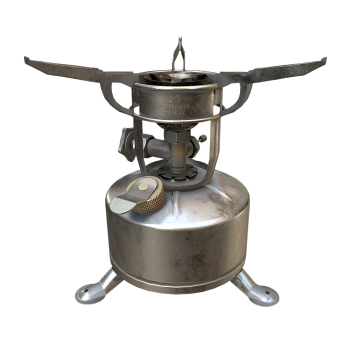
United States Army Field Furnace
374 View

Bauer X-LS Professional Skates
604 View


Nike Kyrie 2 sneaker
679 View
